
 Elior Energy
Blog Detail
Home - Blog Detail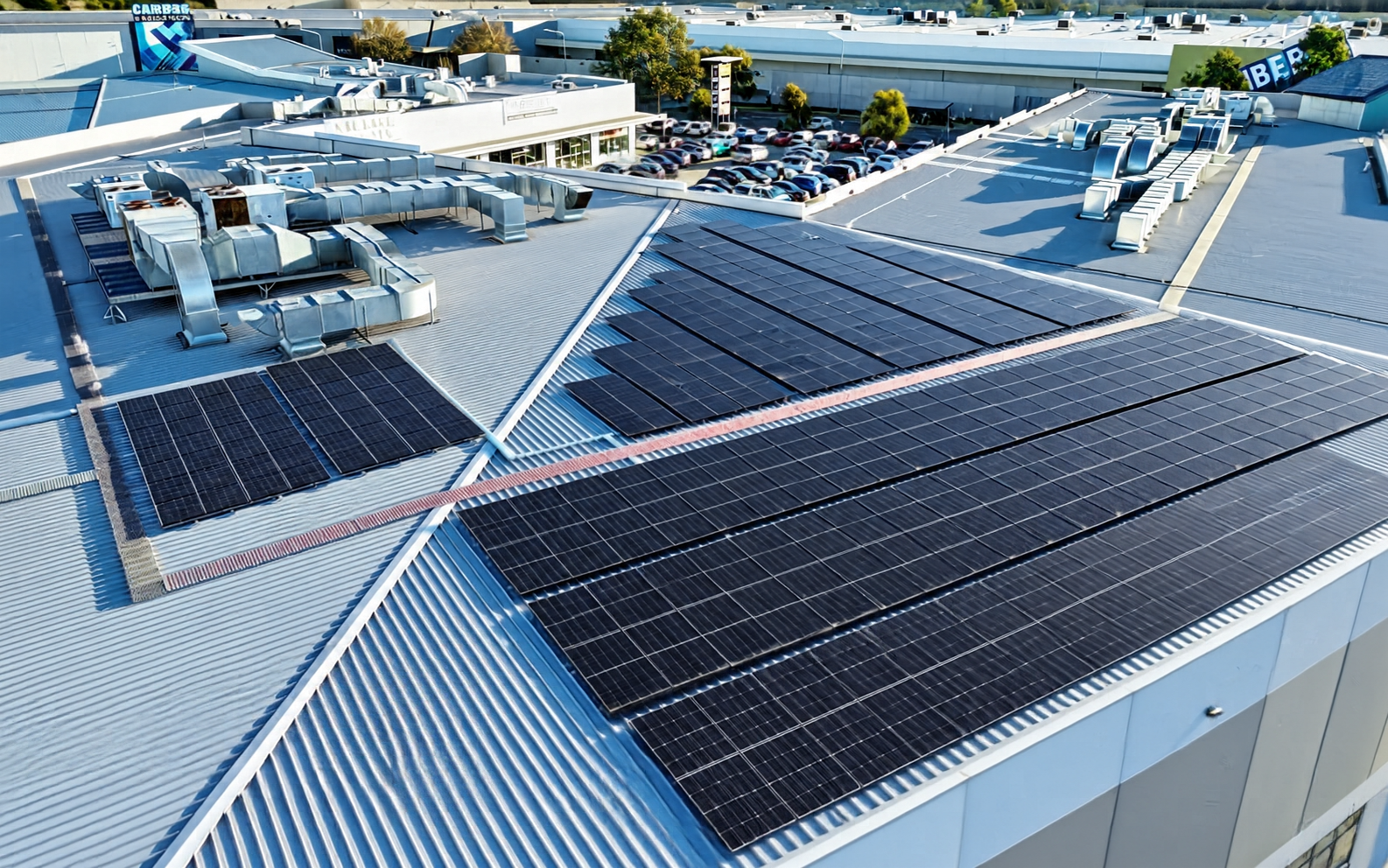
Electricity is essential for every business, but increasing energy expenses can create serious financial challenges. From manufacturing facilities and warehouses to shopping centres and office buildings, commercial properties require reliable electricity to maintain daily operations.
As businesses search for sustainable and cost-effective energy solutions, commercial rooftop solar installation is becoming an increasingly attractive investment. By converting unused rooftop space into a renewable energy source, businesses can reduce their dependence on grid electricity while supporting environmental sustainability.
Professional Solar Installation solutions help Australian businesses take greater control of energy expenses, improve operational efficiency, and prepare for a cleaner future.
This article explores the common energy problems businesses face, the reasons behind rising electricity costs, practical solar solutions, and expert recommendations for successful commercial solar projects.
One of the biggest financial concerns for Australian businesses is the cost of electricity. Commercial buildings often operate energy-intensive equipment, including air conditioning systems, machinery, refrigeration units, and lighting.
These continuous electricity requirements can significantly increase operating expenses, particularly for businesses operating during peak daytime hours.
Investing in commercial Solar Installation can help organisations generate electricity on-site, reducing the amount they need to purchase from the grid.
Businesses that rely entirely on grid electricity remain exposed to changing electricity prices and supply conditions. This dependence can make long-term financial planning difficult, especially for manufacturing companies and other energy-intensive industries.
Rooftop solar offers an opportunity to diversify electricity supply while reducing reliance on conventional energy generation.
Customers, investors, and business partners increasingly recognise the importance of environmental responsibility. Businesses may face pressure to demonstrate sustainable practices, reduce greenhouse gas emissions, and improve energy efficiency.
Without a practical renewable energy strategy, organisations can struggle to meet their sustainability objectives. Commercial rooftop solar systems provide a realistic way to support cleaner business operations.
Most commercial businesses operate heavily during daylight hours. Manufacturing equipment, computer systems, cooling units, and industrial machinery require substantial electricity throughout the working day.
Common sources of high energy consumption include:

Industrial machinery and production equipment
Heating, ventilation, and air conditioning systems
Commercial refrigeration and cold storage
Office lighting and electronic equipment
Data centres and automated manufacturing systems
These requirements make energy management an important consideration for businesses of all sizes.
Older commercial buildings may contain inefficient lighting, outdated cooling equipment, or electrical systems that require modernisation. Such infrastructure can increase electricity consumption and maintenance expenses.
Although upgrading equipment improves efficiency, combining these improvements with professional Solar Installation can further reduce dependence on purchased electricity.
Some organisations focus primarily on immediate operational requirements rather than long-term electricity consumption. Without regular energy audits or monitoring systems, businesses may overlook opportunities to reduce waste and optimise energy usage.
A well-planned renewable energy strategy allows organisations to understand consumption patterns and make informed investment decisions.
Commercial solar panels capture sunlight and convert it into usable electricity through photovoltaic technology. During daylight hours, the generated electricity can power business equipment, lighting, and other electrical systems.
Businesses that consume a large proportion of their solar generation on-site may achieve meaningful electricity savings. The financial benefits depend on system size, energy consumption, electricity tariffs, installation costs, and available sunlight.
A professionally designed Solar Installation system helps businesses match solar generation with their operational electricity requirements.
Commercial warehouses, factories, supermarkets, and office buildings frequently have extensive unused roof areas. These spaces can be suitable for solar panels without occupying valuable ground-level business space.
Rooftop solar offers several practical advantages:
Productive use of existing roof space
Reduced dependence on grid electricity
Lower operational carbon emissions
Opportunities for future system expansion
Improved long-term energy planning
Before installation, the roof must be assessed for structural suitability, shading, condition, and available space.
Renewable energy adoption demonstrates a commitment to responsible business practices. Generating electricity from solar panels can reduce emissions associated with purchasing grid electricity.
Businesses can incorporate solar generation data into sustainability reports and environmental performance monitoring. Choosing reliable Solar Installation services can support a practical renewable energy strategy aligned with organisational goals.
Commercial solar systems generally require an initial investment, but they can provide financial benefits over their operating life. Businesses can evaluate potential returns by comparing installation costs against estimated electricity savings and ongoing maintenance expenses.
Important financial considerations include:
Upfront installation expenses
Expected annual electricity generation
On-site electricity consumption
Electricity tariff structures
System maintenance costs
Available government incentives
Estimated investment payback period
The Australian Government's energy resources identify lower electricity bills, protection against price rises, and reduced emissions as potential benefits of business rooftop solar. Actual results vary according to individual circumstances.
Solar battery storage allows businesses to store some excess electricity for later use. Depending on system design, stored energy may support evening consumption, reduce grid purchases, or provide backup power for selected equipment.
However, batteries are not necessary for every commercial installation. Businesses should evaluate their electricity demand patterns and the additional cost before investing in storage.
Professional Solar Installation planning can determine whether battery storage is financially and operationally appropriate.
"The most effective commercial solar system is not necessarily the largest. It is the system designed around your business's actual electricity consumption, roof conditions, and long-term goals."
Elior Energy Tip
Before selecting a system, examine electricity bills and consumption patterns from the previous 12 months. Identify peak operating periods and determine how much electricity the business uses during daylight hours.
An accurate assessment helps prevent installing a system that is unnecessarily large or too small.
Commercial solar systems should be designed according to actual electricity requirements and suitable roof space. Some smaller commercial premises may suit systems in the 30–50 kW range, while larger warehouses may require substantially greater capacity.
The appropriate size depends on individual circumstances, including energy consumption, roof conditions, available space, and future business needs. A qualified solar professional can assess the most suitable system.
Choose reliable solar panels, compatible inverters, and mounting systems appropriate for Australian conditions. High-quality equipment can support consistent performance and reduce unnecessary maintenance.
Businesses should also review warranties, product documentation, expected performance, and after-sales support before making a purchasing decision.
Experienced installers can assess structural limitations, electrical connections, safety requirements, and system performance expectations. Proper planning is important for reliable operation and compliance with applicable Australian requirements.
The Clean Energy Regulator provides information about applicable renewable energy requirements and accreditation arrangements. Businesses should confirm that their project meets the requirements relevant to their installation and any incentives they intend to claim.
Working with professional Solar Installation providers helps businesses approach these technical requirements systematically.
Government incentives may improve the financial attractiveness of commercial solar projects. However, eligibility can depend on location, system capacity, approved equipment, installation arrangements, and program-specific conditions.
Businesses in Victoria can review the Solar Victoria website for information about available programs and current eligibility requirements. Always verify the latest conditions before making a purchasing decision.
After installation, regular monitoring helps identify performance changes and potential maintenance issues. Reviewing system data can help businesses understand whether their solar installation is operating as expected.
Recommended practices include:
Reviewing solar generation reports regularly
Checking inverter notifications and fault messages
Scheduling qualified inspections when needed
Checking for visible panel damage from a safe location
Maintaining safe roof access procedures
Comparing electricity savings against initial projections
Ongoing monitoring helps protect the long-term value of a commercial solar investment. Any rooftop inspection, cleaning, or electrical maintenance should be performed safely by appropriately qualified professionals.
Commercial rooftop solar combines financial planning with environmental responsibility. For businesses operating primarily during daylight hours, the technology can be particularly valuable because solar electricity production often overlaps with peak operational activity.
As electricity requirements evolve, organisations can also consider future additions such as electric vehicle charging infrastructure, battery storage, and improved energy management systems.
A thoughtfully planned Solar Installation project can become an important part of a broader strategy for business resilience, energy efficiency, and sustainable growth.
Commercial rooftop solar installation provides Australian businesses with an opportunity to reduce electricity expenses, use existing roof space productively, and support environmental sustainability.
From warehouses and factories to retail centres and corporate offices, commercial solar technology offers a practical approach to managing long-term energy requirements.
Successful implementation begins with understanding electricity consumption, selecting suitable equipment, evaluating financial benefits, and working with qualified installation professionals. With careful planning, businesses can transform their rooftops into productive renewable energy assets.
Ready to explore cleaner energy for your business?
Discover commercial renewable energy solutions with Elior Energy. Explore professional Solar Installation options and take the next step towards a more sustainable, energy-efficient future.
A smarter energy strategy starts with making better use of the resources your business already has.
© 2026 Elior Energy — ABN 49 696 978 391. All rights reserved.


October 24, 2026